
Car insurance sets the stage for this enthralling narrative, offering readers a glimpse into a story that is rich in detail and brimming with originality from the outset. Understanding car insurance is crucial for every vehicle owner, as it not only provides financial protection against accidents and damages but also encompasses various coverage options tailored to individual needs. Delving into the intricacies of premiums, claims processes, and potential discounts reveals a wealth of information that can empower drivers to make informed decisions.
With the ever-evolving landscape of the insurance industry, being well-versed in the components and types of car insurance coverage can significantly impact your overall driving experience. From liability coverage to comprehensive plans, each option has its own set of benefits that cater to different lifestyles and budgets. Exploring the factors that influence premium calculations, as well as the steps involved in managing claims effectively, ensures that drivers are not only protected but also equipped to navigate the complexities of their policies.
Understanding Car Insurance
Car insurance is a critical aspect of vehicle ownership, offering financial protection against various risks associated with driving. As you navigate the intricacies of car insurance, it’s essential to grasp the fundamental components and different coverage options available to ensure you choose the right policy for your needs.
The basic components of car insurance policies include coverage types, premiums, deductibles, and policy limits. Each of these elements plays a crucial role in determining how well you are protected while on the road. Understanding these components helps consumers make informed decisions when selecting the best insurance coverage.
Basic Components of Car Insurance Policies
Car insurance policies typically include several fundamental components that define the extent of coverage and the financial responsibilities of the insured.
– Coverage Types: These are the specific risks or incidents that the policy will cover. Common types of coverage include:
– Liability Coverage: Protects you financially if you are responsible for an accident that causes damage to others or their property.
– Collision Coverage: Covers damage to your vehicle resulting from a collision with another vehicle or object, regardless of fault.
– Comprehensive Coverage: Provides protection against non-collision-related incidents, such as theft, vandalism, or natural disasters.
– Personal Injury Protection (PIP): Covers medical expenses for you and your passengers in the event of an accident, regardless of fault.
Types of Car Insurance Coverage Options
When selecting car insurance, various coverage options can be tailored to fit individual needs and circumstances. Understanding these options is vital for adequate protection.
– Minimum Liability Coverage: Many states mandate a minimum level of liability coverage. This usually includes:
– Bodily Injury Liability
– Property Damage Liability
– Full Coverage Insurance: This typically refers to a combination of liability, collision, and comprehensive coverage, providing extensive protection.
– Uninsured/Underinsured Motorist Coverage: This protects you if you’re involved in an accident with a driver who lacks sufficient insurance coverage.
– Gap Insurance: Particularly beneficial for those with financed vehicles, gap insurance covers the difference between what you owe on your vehicle and its current market value.
Factors Influencing Premium Calculations
Understanding how premiums are calculated can help you anticipate costs and make adjustments to save money on car insurance. Several factors contribute to premium calculations, reflecting the risk associated with insuring a particular driver or vehicle.
– Driving Record: A clean driving history typically results in lower premiums, while accidents or traffic violations can increase rates.
– Vehicle Type: The make, model, and age of your vehicle significantly impact insurance costs. More expensive or high-performance vehicles often attract higher premiums.
– Location: Where you live can influence your premium due to varying risk levels in different areas, including crime rates and accident statistics.
– Age and Gender: Younger drivers, particularly males, tend to face higher premiums due to statistical risk factors.
– Credit Score: In many states, insurers consider credit scores as a measure of reliability in assessing premiums, with better scores usually resulting in lower rates.
– Annual Mileage: The more you drive, the higher your risk of being involved in an accident, potentially affecting your premium.
Understanding these components and factors enables you to make informed decisions that best suit your financial and personal needs while ensuring adequate protection on the road.
Choosing the Right Car Insurance
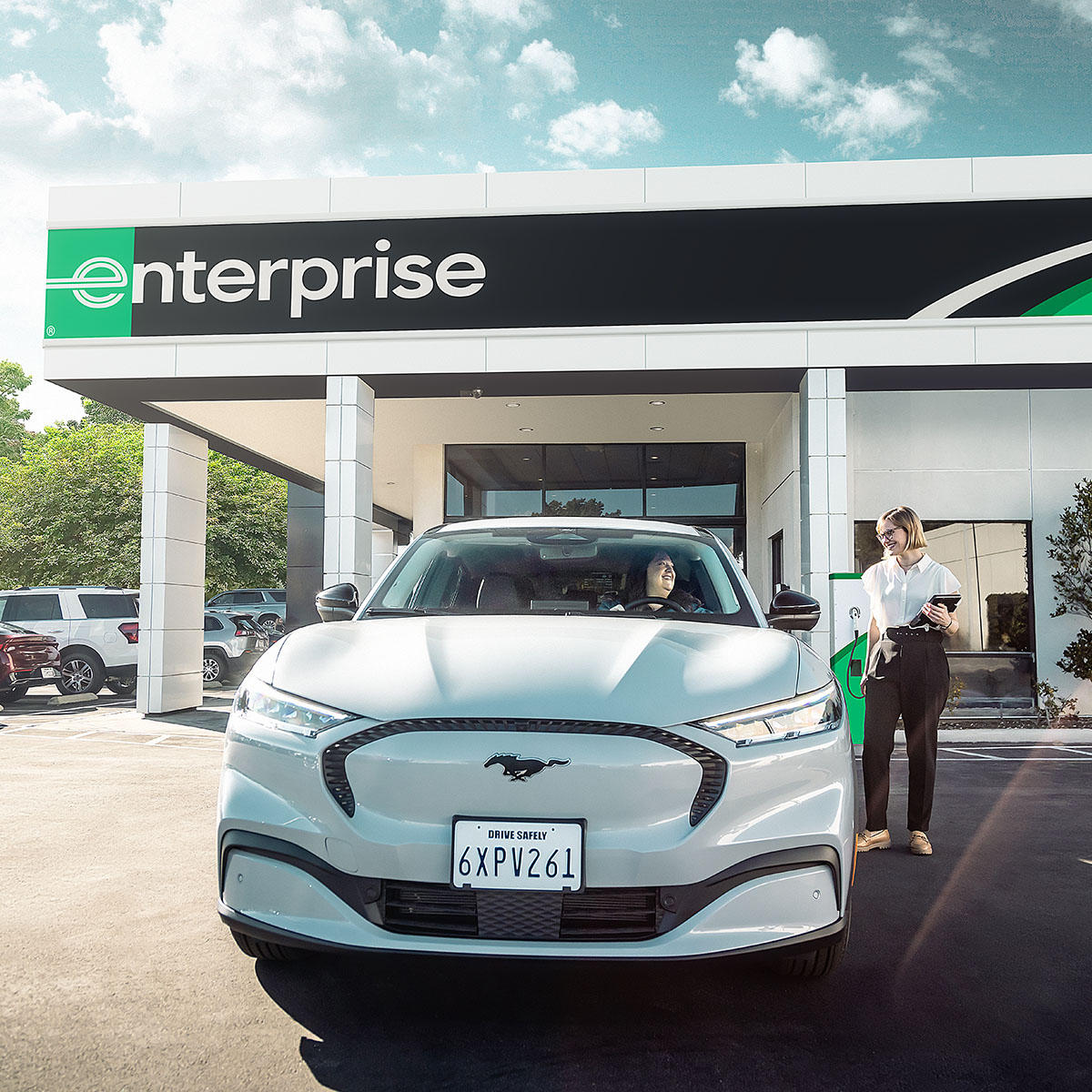
Selecting the appropriate car insurance is a crucial decision that directly impacts your financial security and peace of mind on the road. With a plethora of providers and policies available, understanding the nuances of each option can significantly enhance your coverage while potentially lowering costs. This guide will navigate through the essential aspects of choosing the right car insurance, including a comparison of leading providers, personal needs assessment, and effective reading of insurance quotes.
Comparison of Top Car Insurance Providers
When considering car insurance, it’s vital to evaluate the top providers in the market. Each insurer offers unique features and benefits, making it important to compare them based on coverage options, customer service, and pricing.
The following table provides an overview of some leading car insurance providers:
| Provider | Average Annual Premium | Coverage Types | Customer Satisfaction Rating |
|---|---|---|---|
| State Farm | $1,500 | Liability, Collision, Comprehensive | 4.5/5 |
| Geico | $1,200 | Liability, Collision, Comprehensive, Personal Injury Protection | 4.7/5 |
| Progressive | $1,350 | Liability, Collision, Comprehensive, Customizable Options | 4.3/5 |
| Allstate | $1,450 | Liability, Collision, Comprehensive, Roadside Assistance | 4.4/5 |
| USAA | $1,100 | Liability, Collision, Comprehensive | 4.8/5 |
This comparison highlights that while Geico offers competitive pricing, USAA has the highest customer satisfaction rating, making it a strong contender for eligible members.
Importance of Assessing Personal Needs
Before selecting a car insurance policy, evaluating personal needs plays a pivotal role in ensuring adequate protection. Factors such as driving habits, vehicle type, budget, and individual risk tolerance should all be considered.
Assessing these needs involves:
- Driving Frequency and Purpose: Daily commuters may require different coverage compared to occasional drivers.
- Type and Age of Vehicle: Newer or high-value cars may benefit from comprehensive coverage, while older vehicles might be adequately protected with liability insurance.
- Budget Constraints: Understanding financial limits aids in selecting a policy that balances coverage and affordability.
- Risk Factors: Assessing personal driving history and potential risks, such as living in high-traffic areas, influences coverage choices.
By tailoring the insurance policy to personal circumstances, one can ensure optimal coverage without overspending.
Reading and Understanding Insurance Quotes
Effectively reading and understanding insurance quotes is essential to making an informed decision. Each quote typically includes various components that determine your premium and coverage options.
Key elements to pay attention to include:
- Premium Amount: The amount you pay for your policy, which can vary widely based on coverage and provider.
- Deductibles: The out-of-pocket cost you are responsible for before insurance kicks in, influencing your premium rates.
- Coverage Limits: The maximum amount your insurer will pay for claims, crucial for assessing if you have adequate protection.
- Exclusions: Specific circumstances or incidents not covered by the policy, which can impact claims in the future.
Understanding these terms empowers consumers to compare quotes accurately and choose the best policy for their needs.
“Understanding your insurance policy is just as important as the coverage itself.”
Claims Process and Management

Filing a car insurance claim can be a daunting task, but understanding the process can streamline your experience and ensure you receive the benefits you’re entitled to. Knowing the steps to take, common pitfalls to avoid, and tips for effective management can make a significant difference during stressful times.
The car insurance claims process generally involves several key steps, from the moment of the incident to the final settlement. It is essential to be organized and prepared to navigate this process effectively.
Step-by-Step Claims Filing Process
Initiating a claim requires following a structured approach to ensure that all necessary information is collected and submitted correctly. Here are the primary steps involved:
- Notify Your Insurance Company: Immediately contact your insurance provider after the accident. Most companies have a dedicated claims hotline to assist you.
- Document the Incident: Gather details about the accident, including photographs, police reports, and witness statements. This documentation will support your claim.
- Complete the Claim Form: Fill out the required claim form with accurate information. Be thorough and honest to avoid delays.
- Submit the Claim: Submit your claim along with all supporting documentation. Keep copies of everything for your records.
- Follow Up: Regularly check the status of your claim with your insurance adjuster. This keeps you informed and ensures timely processing.
Common Reasons for Claim Denials
Understanding the reasons why claims may be denied is crucial to avoid potential pitfalls. Here are common issues that lead to denials, along with strategies to mitigate them:
Many claims are denied due to lack of proper documentation or failure to comply with policy terms.
- Insufficient Documentation: Ensure you provide all required documents, including police reports and medical records, to support your claim.
- Policy Exclusions: Familiarize yourself with your policy’s exclusions to avoid filing claims for non-covered incidents.
- Late Reporting: Report the incident to your insurer as soon as possible, as delays can lead to denials.
- Failure to Cooperate: Work openly with your insurer and comply with their requests for information promptly.
Tips for Efficient Claims Management
Managing your claims efficiently can lead to a smoother process and maximize your potential payout. Consider the following strategies:
Effective communication and thorough documentation are key to a successful claims experience.
- Stay Organized: Keep all claim-related documents in one place, including correspondence with your insurance company.
- Document Everything: Maintain a detailed record of all communications, including dates, times, and who you spoke with.
- Know Your Rights: Familiarize yourself with your rights as a policyholder, including the timeline for claims processing.
- Be Persistent: If you face delays or issues, don’t hesitate to follow up and advocate for your claim.
Car Insurance Discounts and Savings

Car insurance can often feel like a burdensome expense, but understanding the various discounts and savings opportunities available can significantly reduce your premium without compromising your coverage. These discounts reward responsible drivers and those who make smart insurance choices. Here, we will explore the common types of discounts, strategies to lower costs, and the advantages of bundling policies.
Types of Car Insurance Discounts
Numerous discounts are available to car insurance policyholders that can lead to considerable savings. These discounts vary between insurance providers, but the following are commonly offered:
- Safe Driver Discount: For individuals who maintain a clean driving record without accidents or violations, this discount recognizes responsible behavior behind the wheel.
- Multi-Policy Discount: Insuring multiple vehicles or combining different types of insurance (such as home and auto) with the same company can yield substantial savings.
- Good Student Discount: Young drivers who excel academically may qualify for a discount, reflecting their lower risk profile.
- Low Mileage Discount: Drivers who use their vehicles less frequently may receive discounts, as lower mileage correlates with fewer risks of accidents.
- Safety Features Discount: Vehicles equipped with advanced safety features such as anti-lock brakes, airbags, and anti-theft systems may qualify for lower premiums.
Strategies for Reducing Car Insurance Costs
There are several proactive measures policyholders can take to keep car insurance costs manageable while ensuring they have adequate coverage. Implementing these strategies may not only lower premiums but also enhance overall financial security.
- Increase Deductibles: Opting for a higher deductible can reduce your premium significantly. However, ensure that you have sufficient savings to cover the deductible in the event of a claim.
- Review Coverage Regularly: As the value of your vehicle changes over time, regularly reassessing your coverage needs can prevent over-insurance.
- Take Advantage of Discounts: Actively seek out and apply for the various discounts available to you, as they can collectively lead to significant savings.
- Maintain a Good Credit Score: Many insurers consider credit history when determining premiums. A good credit score can help secure lower rates.
Benefits of Bundling Car Insurance with Other Types of Insurance
Bundling car insurance with other types of insurance can deliver substantial financial benefits. Insurers often provide significant discounts for customers who consolidate their policies.
- Cost Savings: Bundling policies typically results in lower premiums compared to purchasing each policy separately. Savings can range from 5% to 25% depending on the insurer.
- Convenience: Managing multiple policies with one provider simplifies payment processes and customer service interactions, allowing for easier policy management.
- Streamlined Claims Process: In the event of a claim, having all policies under one roof can simplify the process, as the insurer will have all relevant information readily available.
- Increased Loyalty Discounts: Many insurers reward long-term customers with additional discounts for bundling, enhancing savings over time.
“By taking advantage of available discounts and smart strategies, drivers can significantly reduce their car insurance costs while maintaining essential coverage.”
FAQ Overview
What is car insurance?
Car insurance is a contract between the vehicle owner and the insurer that provides financial protection against losses related to accidents, theft, and damages.
How do I know how much coverage I need?
The amount of coverage you need depends on factors like your vehicle’s value, your driving habits, and your financial situation. It’s essential to assess your personal needs and consult with an insurance agent.
Can I switch car insurance providers anytime?
Yes, you can switch car insurance providers at any time, but it’s advisable to do so when your policy is nearing its renewal date to avoid potential cancellation fees.
What should I do if my claim is denied?
If your claim is denied, review the denial letter for reasons, gather necessary documentation, and contact your insurance provider to discuss the issue or appeal the decision.
Are there any penalties for canceling my car insurance?
Yes, some insurers may charge a fee for early cancellation or may require you to pay the remaining premium on your policy. It’s crucial to check your policy details before canceling.
When discussing financial security, friguey insurance stands out as a compelling option. It offers tailored coverage that fits individual needs, ensuring peace of mind in unexpected situations. As you explore the landscape of insurance, it’s also worthwhile to compare the best insurance companies , which provide a range of services and options to protect your assets effectively.
Finding the right policy can be overwhelming, but exploring the best insurance companies can simplify the process. They offer comprehensive options and customer support that cater to various needs. Coupled with innovative solutions like friguey insurance , which focuses on personalized coverage, you can secure your future with confidence.